
Total Technology Solutions Since 2003 — Enterprise Security, Networking & Data Center Integration
Protect networks, websites, mobile apps, and source code using structured offensive assessments—Internal & External Network Penetration Testing, Web & Mobile App Testing, and Static Application Security Testing (SAST).
Think of Cyber Security Testing just like hiring certified safety inspectors to test every locked door, window, and alarm in a bank vault before opening to customers. Instead of guessing whether a firewall or website is safe, Digital Automation safely simulates real attacker techniques across your external internet presence, internal office network, customer web portals, mobile apps, and raw software code—delivering a clear prioritized fix list.
Simply buying a firewall or antivirus gives a false sense of security. One overlooked test login page, unpatched remote VPN port, unprotected Wi-Fi connection touching office servers, or subtle coding mistake inside an ERP portal allows attackers to steal customer records, deploy ransomware, or hijack security camera networks invisibly.

Focused cybersecurity analysts inspecting network surfaces, authentication defenses, and active risk posture.
Go beyond noisy automated scanner printouts—verify which vulnerabilities actually let an outsider reach sensitive customer records or admin panels.
Inspecting code via Static Application Security Testing (SAST) before rollout fixes subtle logic flaws cleanly while changes are still inexpensive.
Management receives plain-English risk ratings while software and network engineers get step-by-step patches and verification re-tests.
Audit whether smart IP cameras, NVRs, turnstile servers, and printers are safely blocked from touching accounting and HR databases.
Targeted manual + tool-assisted auditing spanning infrastructure perimeters, live apps, mobile apps, and code repositories.

Auditing public IPs, DNS, VPNs, firewalls, wireless offices, Active Directory servers, and internal VLAN boundaries to test both outsider breaches and insider lateral spread.
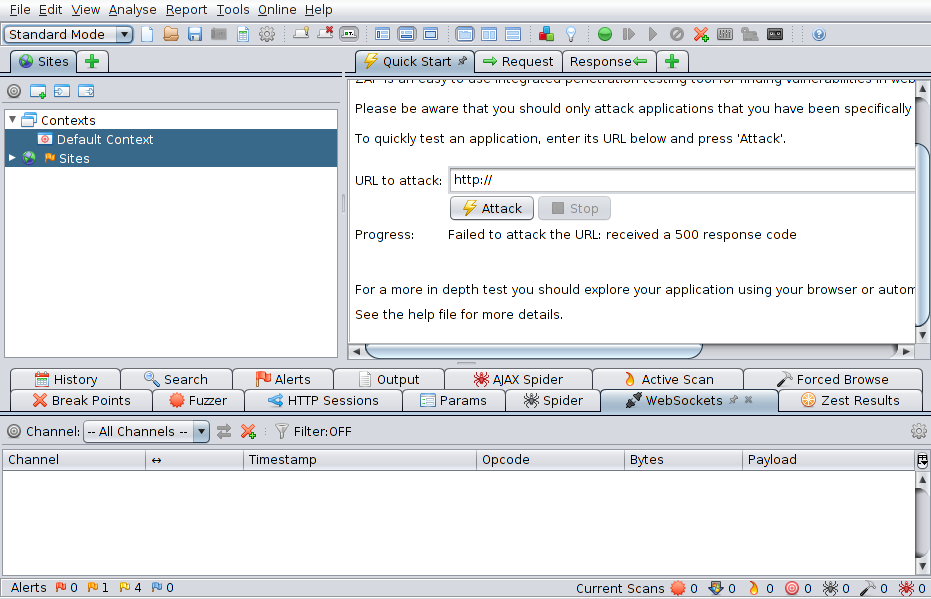
Manual & automated inspection against OWASP risks across banking portals, ERPs, e-commerce checkouts, admin logins, file uploads, and API endpoints.
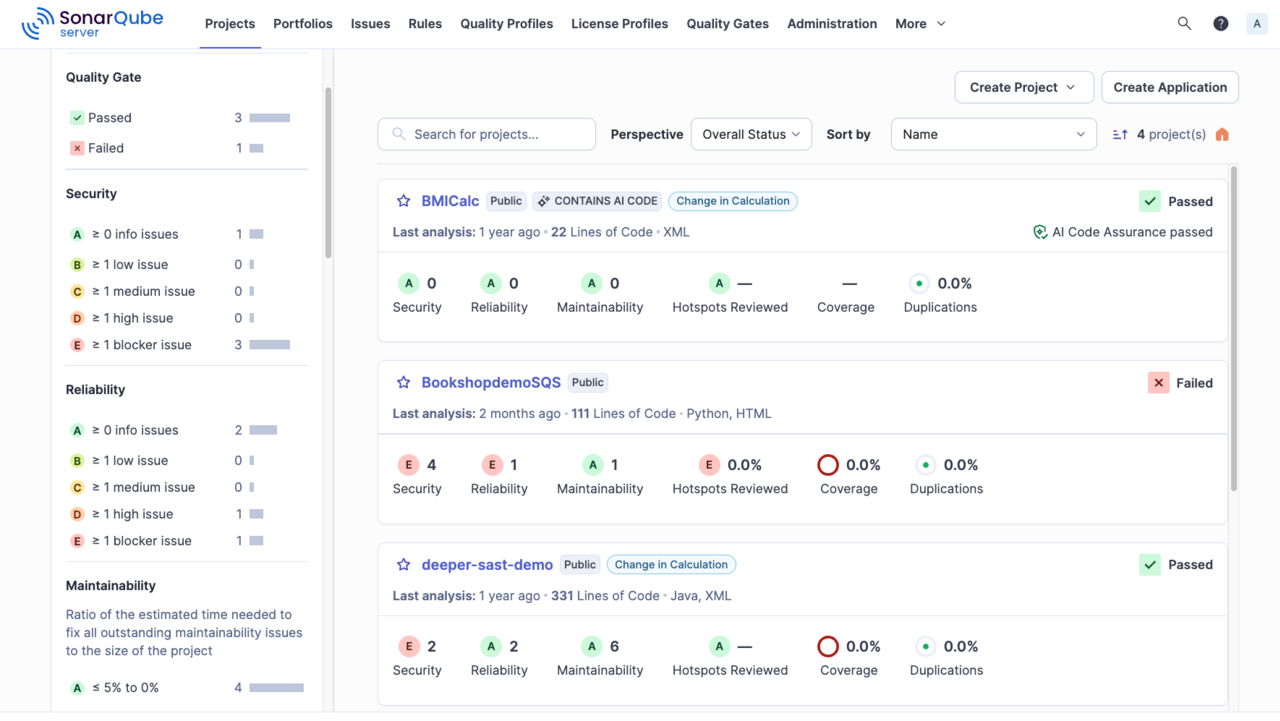
Inspecting underlying program source code before software goes live—catching hardcoded passwords, unsafe database functions, and risky code patterns line by line.

Evaluating Android/iOS mobile app binaries, encrypted local storage, certificate validation, alongside server/port hardening on critical appliances.
Every medium and critical finding is manually validated cleanly to eliminate false-positive confusion for your developers.
Controlled engagement windows and strict written Rules of Engagement protect customer uptime and confidential records.
After your network or software teams apply fixes, analysts re-check patched areas to verify the vulnerability is closed completely.
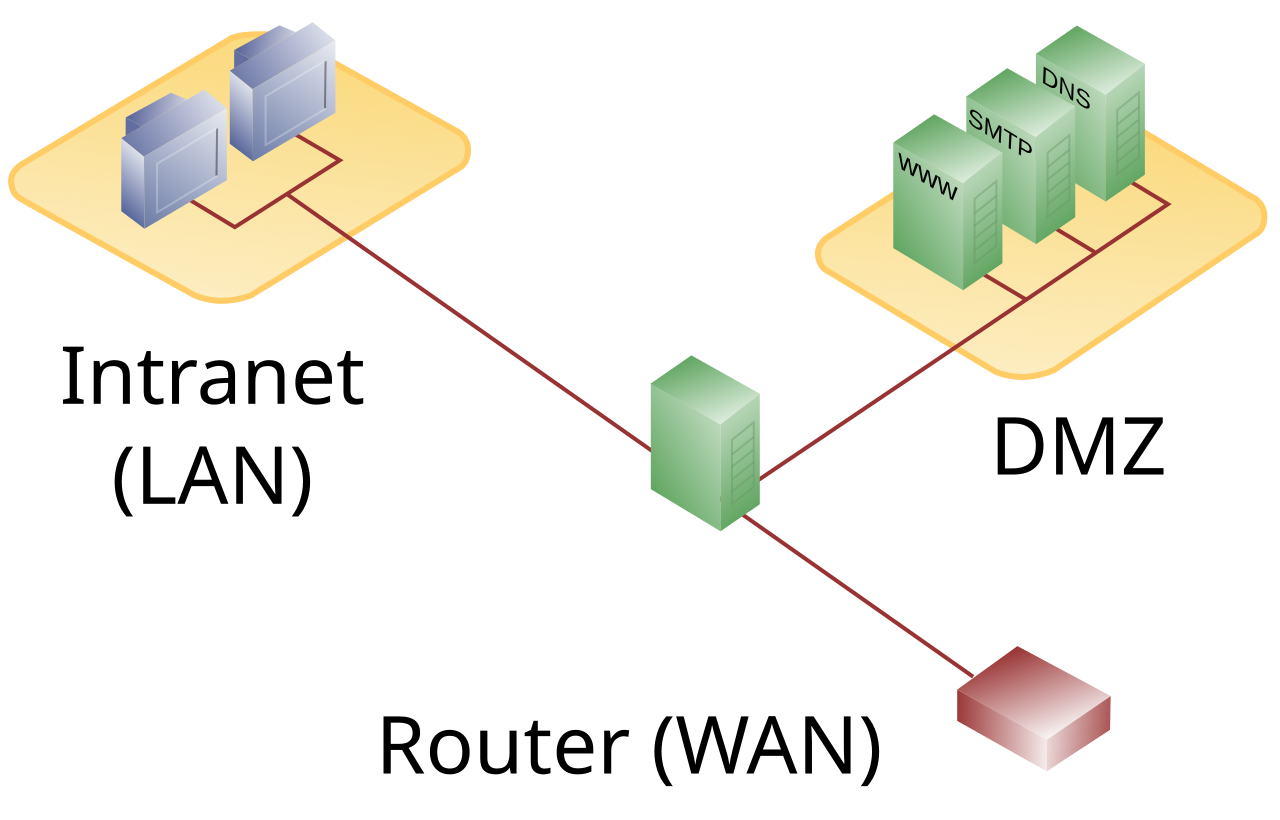
Three-zone network topology separating external WAN routers, public-facing DMZ servers, and protected Intranet LANs via stateful firewalls.
As shown in the network DMZ security schematic, safe companies avoid putting internal accounting computers, web portals, and public internet traffic on the same open wire. A properly configured Firewall creates controlled gates: external public users only reach hardened web/mail servers sitting inside an isolated DMZ buffer zone, while the internal Intranet (LAN) stays completely hidden behind strict inspection rules. Penetration Testing systematically probes those boundaries—ensuring no subtle rule mistake connects the outside router straight into internal databases.
Every project follows a clear four-stage engineering sequence—ensuring predictable timelines, safe installation, and clean training.
Sign confidentiality agreements and confirm authorized IP ranges, test portals, mobile apps, or code repositories.
Map live hosts, firewall ports, user roles, API parameters, wireless entryways, and code entry sinks.
Safely test exploitability and privilege paths during agreed hours without halting customer production apps.
Deliver executive risk charts + technical fix instructions, walk devs through patches, and re-verify closure.
Real diagnostic inspection workflows turning packet captures and test lifecycles into clean security posture.
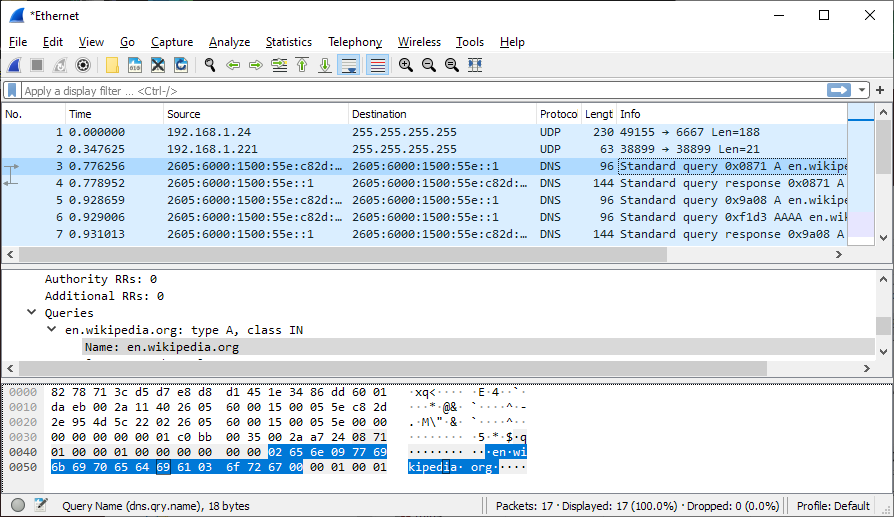
During Internal Network Penetration Testing, analysts examine live Ethernet, DNS, authentication, and unencrypted service chatter crossing corporate LANs—catching cleartext password leaks, rogue IoT beacons, and misrouted management VLANs before attackers exploit them.
Finding security flaws matters only when IT and development teams close them cleanly. Every engagement delivers an organized lifecycle distinguishing high-risk production exposure from low-priority hardening notes—guiding clear remediation tracking through to clean re-test confirmation.
Protecting web banking portals, customer Android/iOS apps, APIs, and branch LAN boundaries.
Hardening citizen databases, web services, and centralized security monitoring centers.
Pairing pre-release SAST source-code review with live web/API penetration tests cleanly.
Separating guest Wi-Fi, ERP infrastructure, and factory automation/surveillance VLANs safely.
Many pure consulting boutiques issue generic PDF lists without understanding how Cisco switches, PHP/Java backends, or IP security cameras are wired locally. Digital Automation unites cybersecurity auditing directly alongside our networking and software divisions.
Honest, practical answers for CISOs, IT heads, and business executives.
No. All testing is carefully bounded by written Rules of Engagement agreed with your IT team upfront—checking authentication flaws and exploit paths calmly without sending destructive Denial-of-Service floods.
An automated scan only checks software version banners against generic databases and frequently misflags harmless settings. Penetration testing combines deep inspection with human reasoning to chain clues, verify actual access risks, and uncover subtle business logic flaws.
Static Application Security Testing (SAST) inspects raw code while software is still under development—finding subtle bugs like hardcoded API keys or injection functions before hackers ever see a live public URL. Testing both code (before release) and the live portal (after deployment) gives strongest defense.
Yes. During Internal Network Penetration Testing, we test directly whether guest Wi-Fi, factory terminals, or outdoor IP camera cables can reach internal ERP, payroll, or database networks.
Yes. Every engagement follows a structured assessment-to-remediation loop where we verify patched findings cleanly once your technical team updates them.
Schedule a confidential scoping session with our Shantinagar, Dhaka Cyber Security desk.
HQ: 35/7/A, Shantinagar, Peer Shaheber Goli, Baitul Jannat Bhaban (Ground Floor), Dhaka-1217, Bangladesh | Tel: +880-1632247700 | Email: info@dgaubd.com