
Total Technology Solutions Since 2003 — Enterprise Security, Networking & Data Center Integration
Complete multi-zone lightning defense combining external air-termination interception, low-impedance down-conductors, equipotential earthing grids, and coordinated AC/DC/data surge protection devices.
Bangladesh experiences some of the highest seasonal thunderstorm and lightning activity in the world. Digital Automation’s Thunder & Lightning Protection solutions integrate both External Lightning Protection Systems (ELPS — intercepting and grounding direct strikes) and Internal Surge Protection Systems (SPDs — clamping destructive induced voltage spikes before they destroy switches, servers, NVRs, solar inverters, and factory machinery).
Even a lightning strike hitting 500 meters away induces thousands of volts along overhead power lines, buried fiber steel armor, coaxial runs, PoE camera poles, and tall factory roofs—instantly burning power supplies, SCADA PLCs, data center switches, and control boards while endangering personnel and buildings.
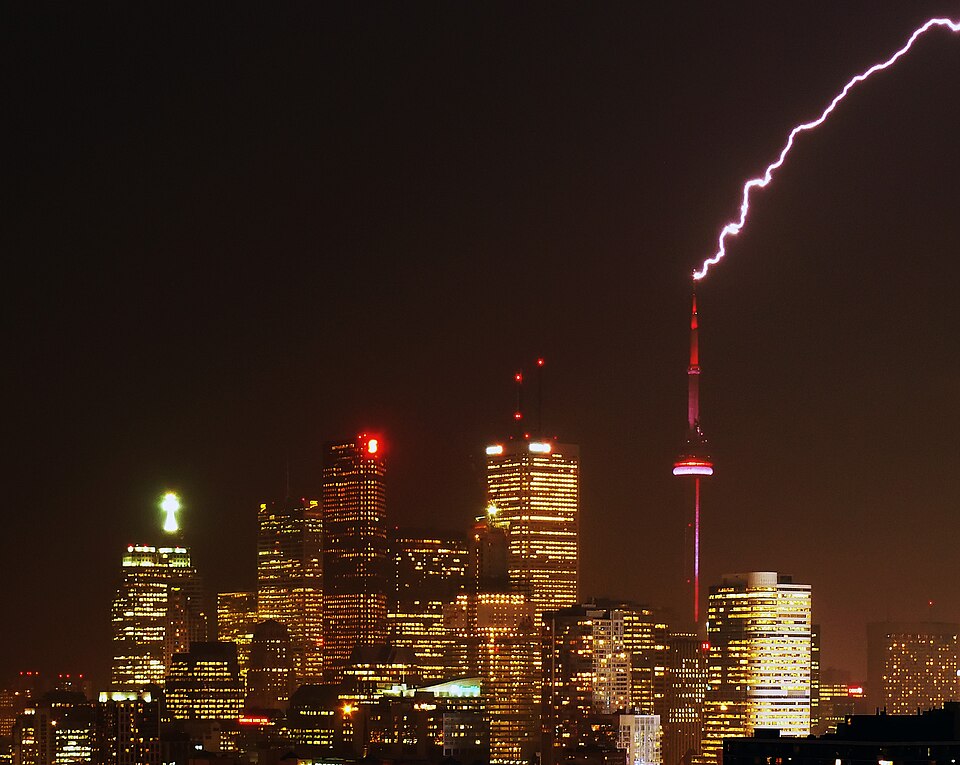
External air-termination systems intercept direct lightning energy safely and route extreme discharge cleanly into low-resistance ground electrodes.
Intercept direct strikes cleanly on tall roofs, warehouses, bridge towers, and tanks—preventing structural fire, spalling concrete, and arc flash hazards.
Clamp destructive transient overvoltages traveling down utility lines, CAT cables, coax, or PV strings before they ruin NVRs, routers, servers, and PLCs.
Coordinate Type 1 main service entrance arresters with Type 2 sub-panel and Type 3 equipment SPDs for sustained uptime through severe storms.
Dedicated grounded air-terminals paired with PoE/solar DC SPDs keep exposed hilltop repeaters, CCTV masts, and PV arrays intact year-round.
Aligned with modern IEC 62305 structural interception, equipotential bonding, and coordinated surge arrestment principles.
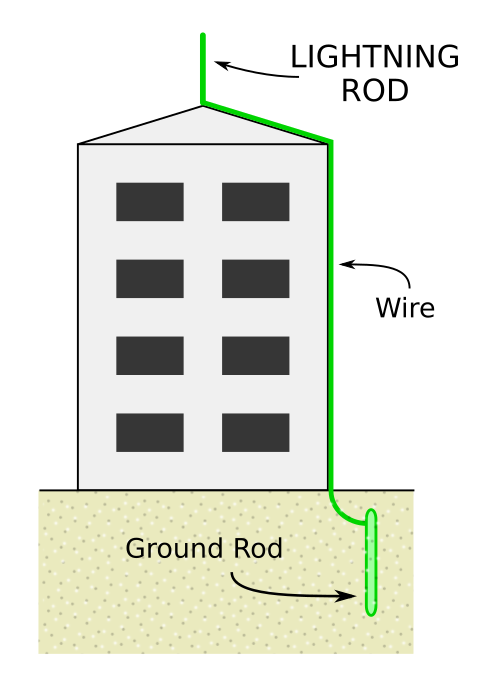
Elevated copper/stainless steel air-termination rods and roof conductor meshes engineered cleanly using Rolling Sphere and Protective Angle zones.
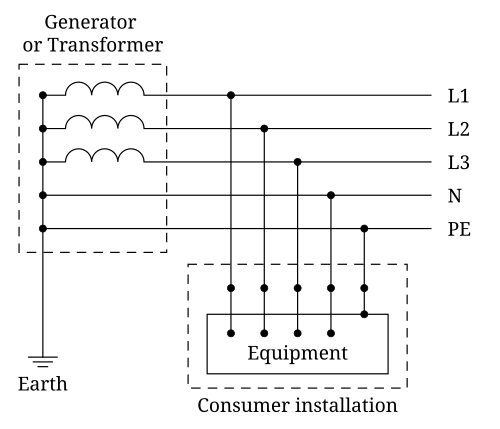
Chemical/copper-bonded earth electrodes, inspection chambers, and equipotential bonding bars uniting structural steel, racks, and electrical grounds.
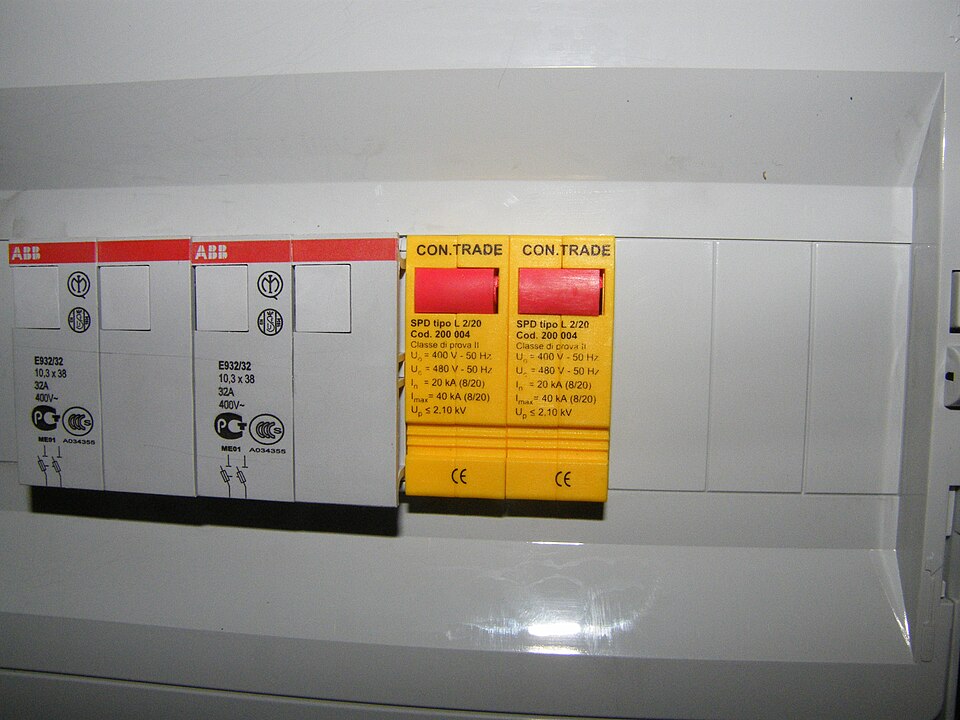
Coordinated main distribution board (MDB) Type 1+2 lightning current arresters paired with sub-panel Type 2 surge arresters clipping kV transients to safe levels.
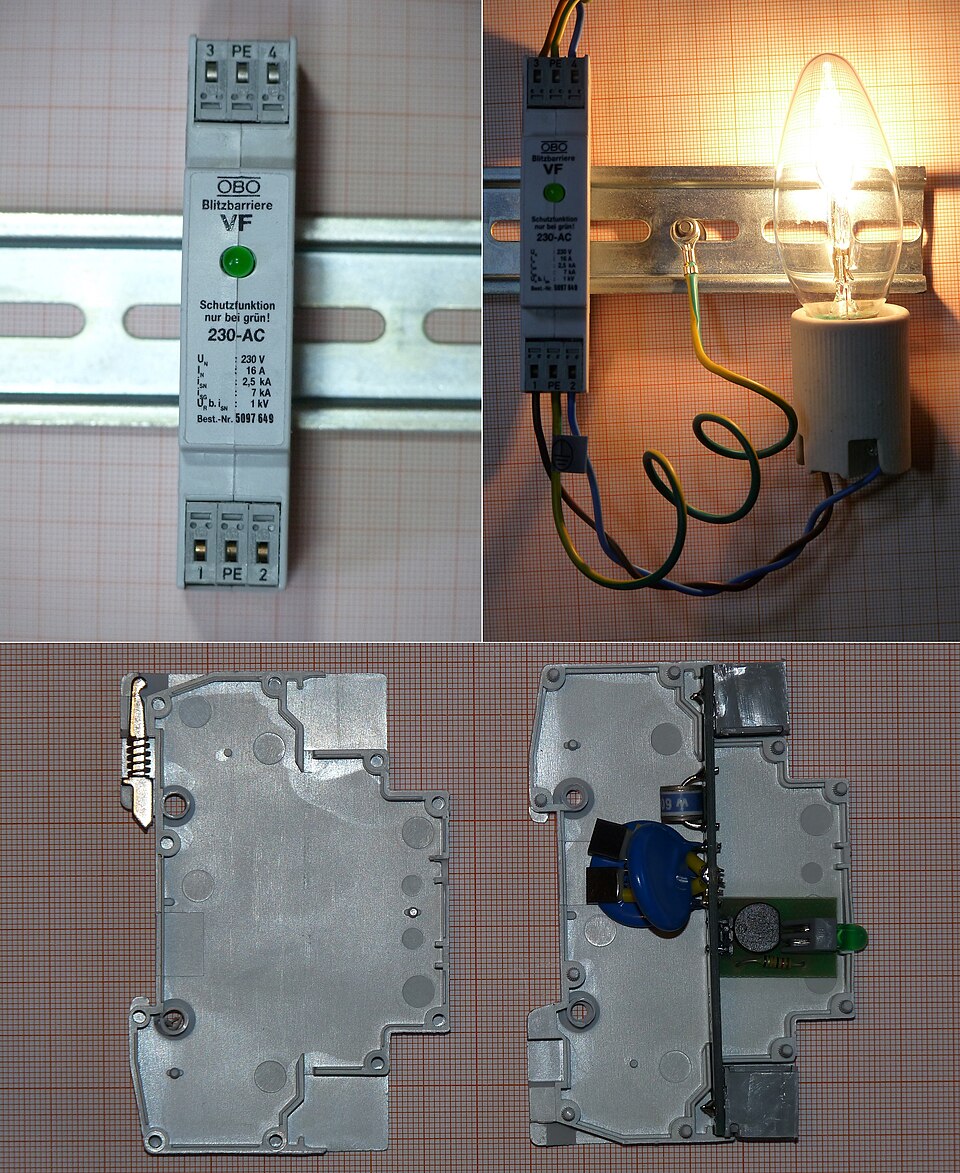
Thermal-disconnect Metal Oxide Varistor (MOV) & gas-tube arresters tailored separately for AC power, 600–1000V DC solar arrays, and Gigabit PoE/camera lines.
Air terminals and rooftop conductor grids are spaced strictly via geometric protection zones rather than random single poles.
Main earth bars bond power ground, steel structure, and IT rack grounds cleanly to block destructive internal flashovers.
Fall-of-Potential earth resistance testing validates conductive discharge performance prior to every system handover.

Coordinated industrial AC/DC surge protection unit clamping high-energy lightning transients before they reach sensitive equipment.
When thunderstorm clouds build charge above a facility, external air terminals act as the preferred strike point, channeling tens of thousands of amperes cleanly down exterior insulated/copper conductors into deep low-resistance earth pits—preventing structural fires or side-flashes. Simultaneously inside the building, Type 1, Type 2, and fine Type 3 SPDs connected via equipotential bonding divert incoming utility, solar DC, or network PoE voltage spikes into the unified ground reference within nanoseconds before returning passively to high-impedance standby.
Every project follows a clear four-stage engineering sequence—ensuring predictable timelines, safe installation, and clean training.
Assess building height, occupancy, roof equipment, strike exposure, and measure on-site soil resistivity (Ohms).
Calculate rolling-sphere coverage, separation distances, conductor routes, earth pit count & SPD tiers.
Install air terminals, down-conductors, inspection earth pits, bonding bars & MDB/DB/PoE surge modules.
Verify earth resistance via Fall-of-Potential testing, label test links, inspect SPD indicators & initiate periodic audits.
Critical storm-season protection across high-consequence buildings, energy assets, and sensitive control electronics.
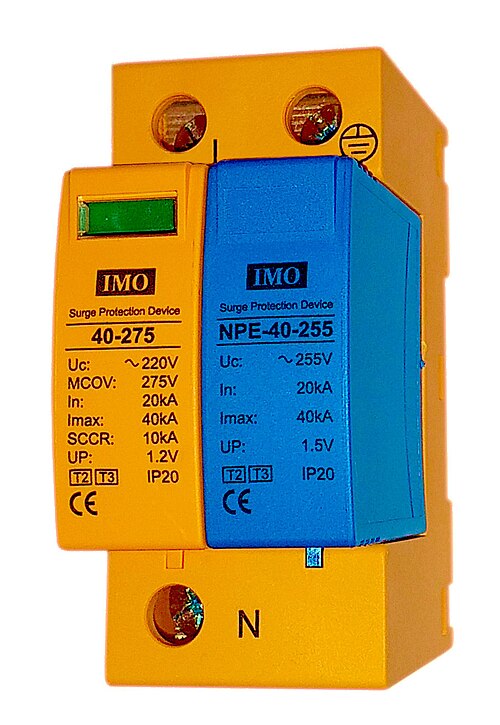
Main distribution boards and floor sub-panels in busy factories or offices cannot be torn apart after every heavy monsoon storm. Modular plug-in Surge Protection cartridges feature high-contrast green/red health windows—letting facility electricians spot and swap exhausted modules quickly without rewiring main breakers.
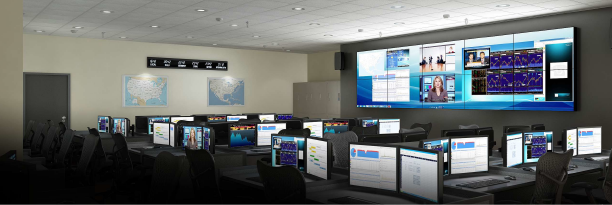
Control rooms and data centers represent concentrated capital—video walls, VMS NVRs, core switches, and servers sit wired to external camera poles, fiber armor, and rooftop antennas. Coordinated LPS + Internal SPD protection stops both rooftop strikes and distant utility surges from darkening command operations.
Protecting wide-span metal roofs, chiller plants, spinning machinery & automated assembly electronics.
Preventing lightning strikes and induced DC transients from destroying inverters, radios & batteries.
Adding dedicated pole air-terminals, earth rods, and PoE surge arresters at every field camera node.
Safeguarding life-safety equipment, UPS banks, medical imaging & multi-terabyte server rooms.
Traditional construction contractors overlook sensitive IP networks, solar DC buses, and data racks. Digital Automation protects both the concrete roof structure and the delicate IT systems operating underneath it.
Important engineering facts on grounding, surge stages, and camera/solar protection.
No. A roof lightning rod only handles direct strikes hitting the building structure. Nearby cloud-to-ground strikes induce huge voltage surges along utility power cables, outdoor camera poles, and solar strings—requiring coordinated Type 1, Type 2, and PoE/DC Surge Protection Devices (SPDs) inside electrical panels.
Modern safety standards (IEC 62305) call for all earthing systems of a building—lightning earth, power earth, and IT rack grounding—to be bonded cleanly through equipotential bonding bars (or dedicated SPD spark-gaps where needed) so huge dangerous voltage differences cannot arc sideways inside the facility.
Because long copper/Cat6 runs on steel poles pick up electromagnetic transients during nearby lightning flashes. Installing grounded local air finials, clean earth rods, and inline RJ45 PoE surge arresters at both pole and switch ends prevents costly port and camera losses.
Visual inspection of roof air-terminals, down-conductor clamps, and SPD cartridge windows—plus earth resistance testing—should be conducted annually prior to peak thunderstorm season and immediately after any known direct strike event.
Yes. Because Digital Automation engineers surveillance poles, industrial solar stations, fiber/wireless towers, and server rooms across Bangladesh, we design integrated LPS and surge protection directly into infrastructure rollouts.
Request an on-site lightning zone survey, earth-pit audit, or panel SPD BOQ from our Dhaka team.
HQ: 35/7/A, Shantinagar, Peer Shaheber Goli, Baitul Jannat Bhaban (Ground Floor), Dhaka-1217, Bangladesh | Tel: +880-1632247700 | Email: info@dgaubd.com