
Total Technology Solutions Since 2003 — Enterprise Security, Networking & Data Center Integration
Connecting multi-story offices, factories, and nationwide campuses using underground/overhead optical fiber works, certified CAT6/6A LAN cabling, Cisco enterprise routing & switching, and 1000 Mbps wireless bridges.
An organization’s network is much like the plumbing and highway system inside a city: it moves information reliably between laptops, factory floors, security cameras, databases, and the internet. Digital Automation designs and installs the entire journey—both outside between buildings (using buried/overhead fiber cables or wireless links) and inside floors (using neatly organized CAT cables, wall ports, switches, routers, and firewalls).
Even the fastest servers or sharpest cameras become useless when connected over sloppy wiring, congested Wi-Fi, or cut overhead cables. Unlabeled patch cords, cheap unshielded cables, unvented loops, and amateur road-digging create constant slowdowns, dropped calls, and expensive troubleshooting downtime.
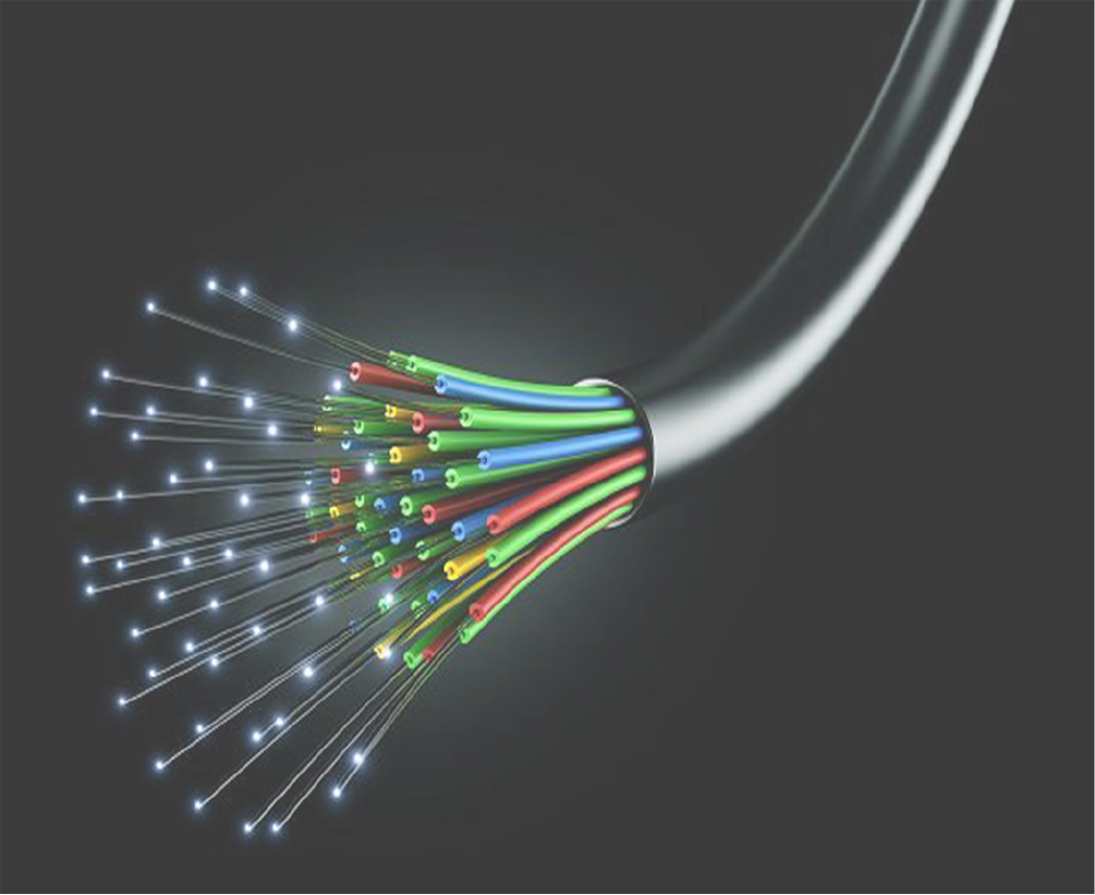
Multi-core single-mode and multi-mode optical fiber transporting high-bandwidth video, data, and voice across miles cleanly.
Horizontal Directional Drilling (HDD) passes armored fiber safely under busy roads, driveways, and factory floors without blocking vehicles or breaking pavement.
Keep security camera streams, factory machines, guest Wi-Fi, and finance ERPs on clean separate virtual lanes so one busy system never slows down another.
No finger-pointing between digging contractors and IT engineers—one coordinated Digital Automation crew digs ducts, splices glass fiber, mounts racks, and certifies every port.
Combine underground fiber rings with elevated 1000 Mbps wireless bridges so sites stay online automatically if construction crews accidentally cut a street cable.
Full outside-plant civil infrastructure paired with Cisco, TP-Link, Sekotech, and EION Wireless hardware.

Armored optical cables installed overhead on poles or protected underground inside HDPE ducts via open trenching, slim mini-trenching, or steerable HDD road boring.
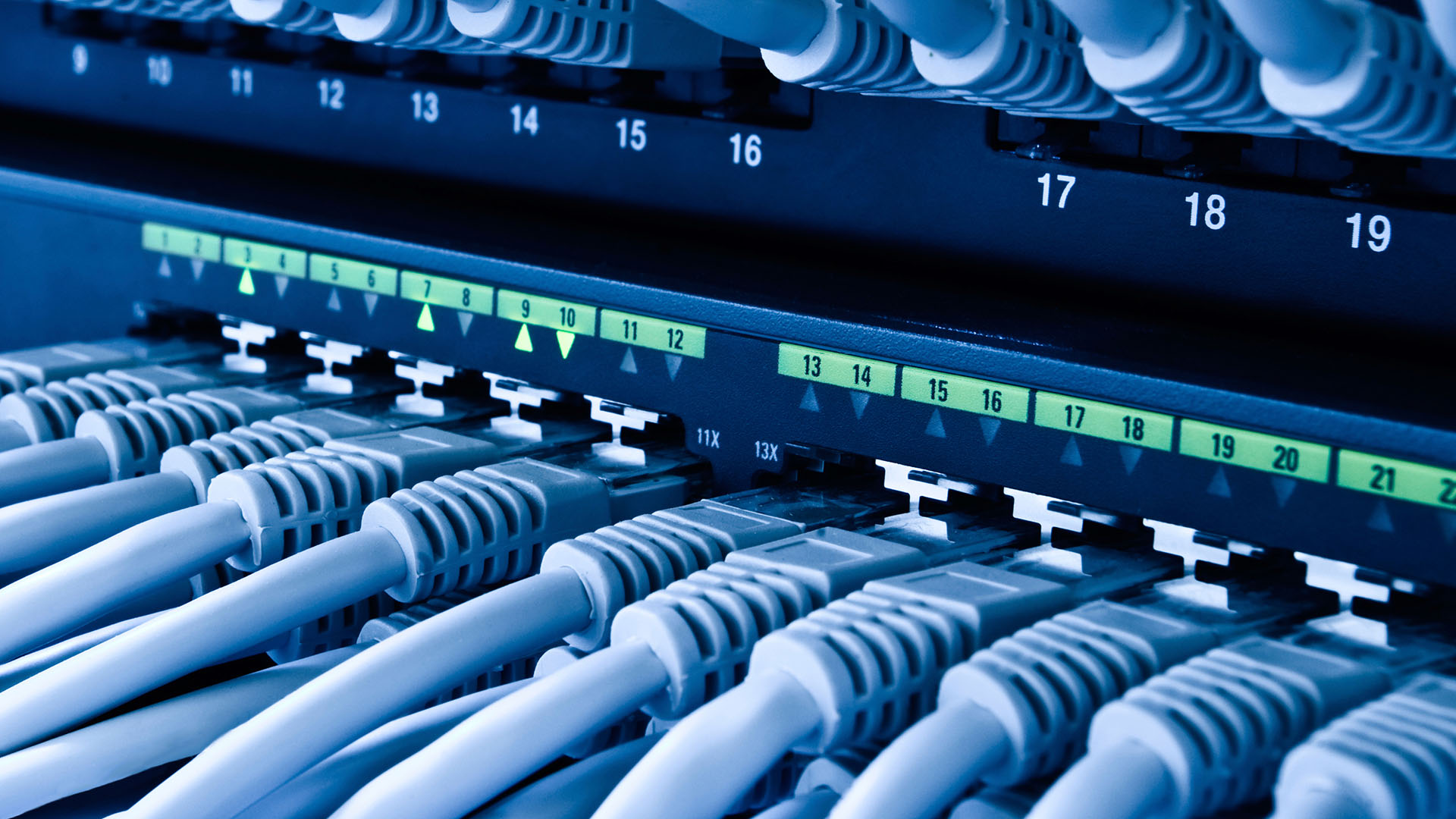
Neat vertical risers and horizontal copper runs terminating at labeled modular patch panels inside grounded communication cabinets for PoE cameras, phones, and PCs.
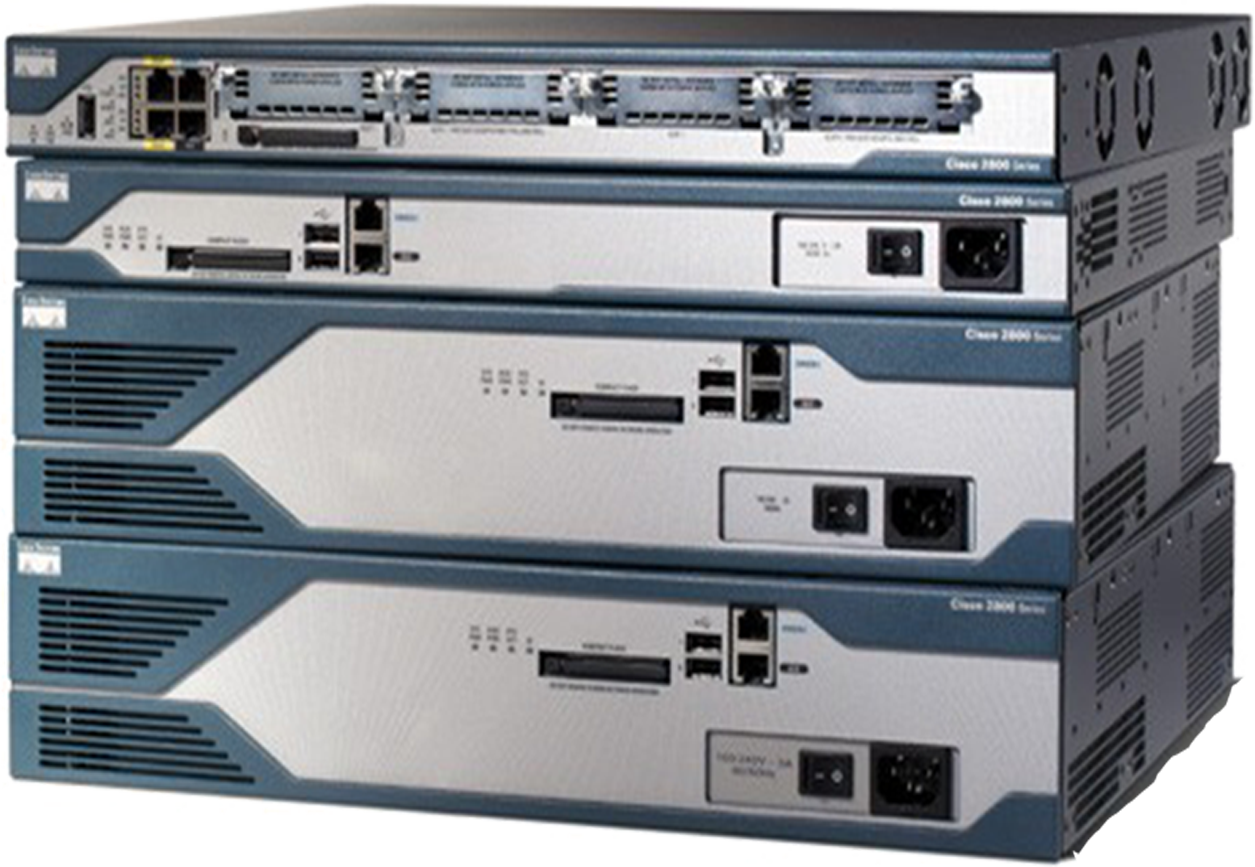
Cisco enterprise routers balancing multi-ISP fiber links automatically, stateful firewalls blocking external attacks, and rackmount chassis media converters.
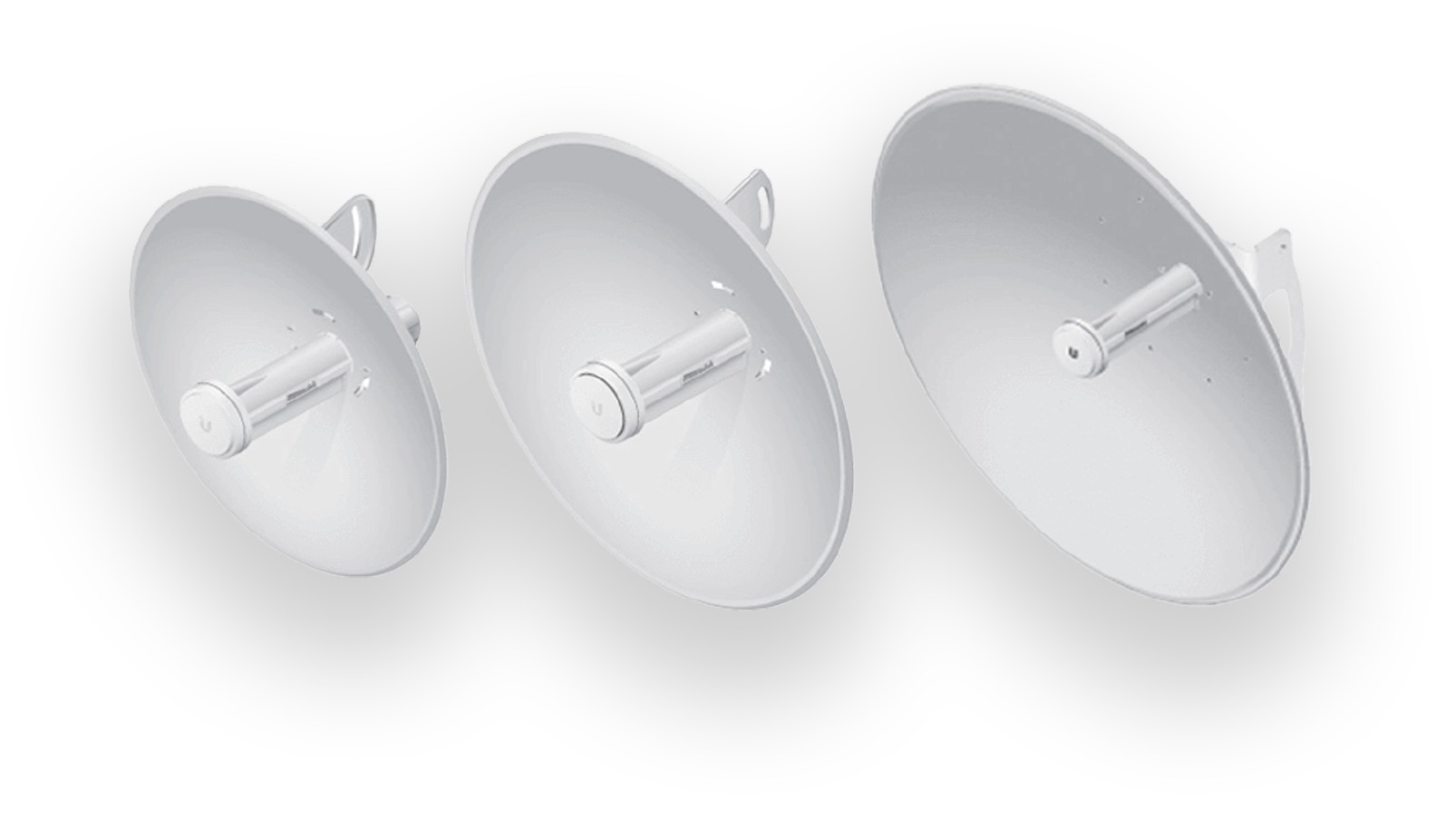
Directional outdoor parabolic dishes and sector antennas across 2.4 GHz, 3.5 GHz WiMAX, and 5.8 GHz bands linking remote gates, yards, and regional offices up to 1000 Mbps.
Seamlessly extend copper switches across kilometer-long fiber spans using hot-swappable optical transceivers and chassis converters.
Network Management Software continuously tracks port errors, CPU load, PoE power draw, and link outages across all switches in one dashboard.
Stateful firewall policies and port-security locks stop rogue devices plugged into public lobby jacks from seeing corporate servers.
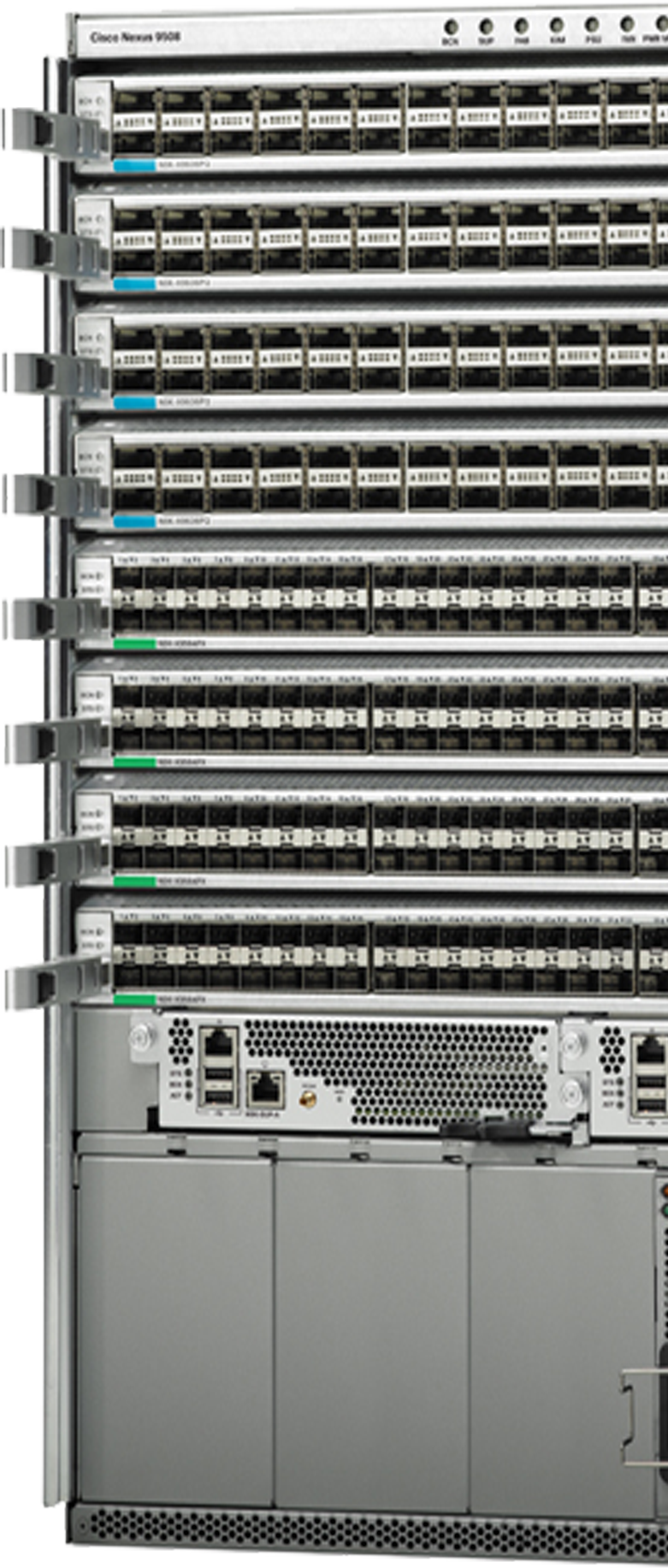
Enterprise Cisco Nexus high-density core switching architecture driving multi-gigabit optical and copper backbones.
Computers, biometric attendance readers, and PoE cameras plug into labeled wall jacks wired back to floor aggregation switches. Those edge switches bundle traffic onto thin glass fiber strands using laser SFP transceivers—sending data down HDPE ducts cleanly into high-density core switches like Cisco Nexus. Core switches enforce VLAN separation, apply QoS priority so voice calls and live security video never stutter, and route outbound internet safely through firewalls—with long-range wireless dishes ready to bridge remote buildings where digging trench lines isn’t practical.
Every project follows a clear four-stage engineering sequence—ensuring predictable timelines, safe installation, and clean training.
Map building conduits, check utilities before trenching/HDD boring, and verify rooftop antenna line-of-sight.
Excavate trenches or HDD bores, pull armored fiber, fusion splice optical pigtails, and dress CAT racks cleanly.
Configure core/PoE switches, WAN failover routers, firewalls, wireless dish aiming, and NMS monitoring alerts.
Verify optical attenuation and copper continuity across every port, deliver labeled diagrams & initiate SLA care.
Field-proven fiber civil engineering paired with organized rack termination across Bangladesh.
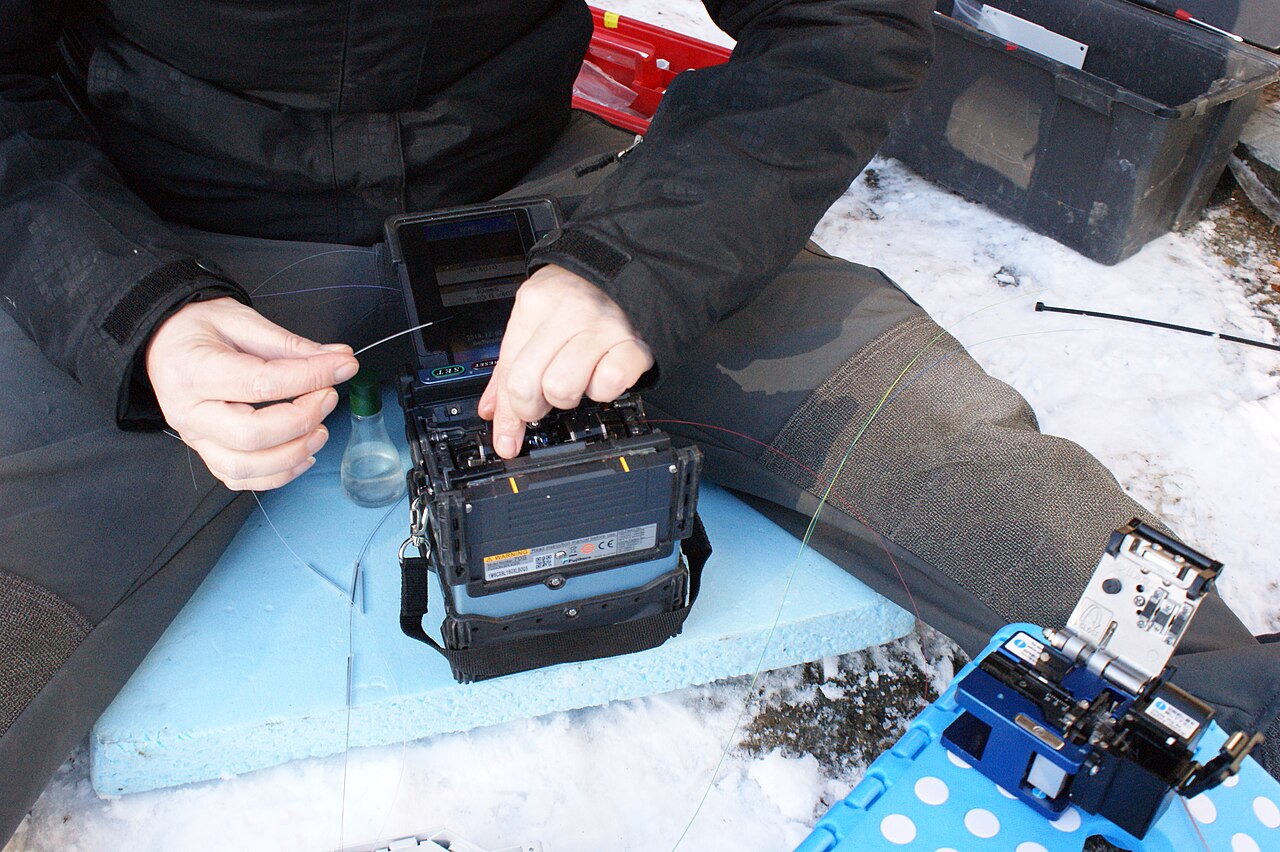
Whether pulling multi-core trunk lines across factory compounds via mini-trenching or boring cleanly under highways via HDD, Digital Automation’s field splicers strip, cleave, and arc-fuse hair-thin glass cores using precision Fujikura fusion splicers—keeping optical signal loss tiny over kilometers.

Messy unprotected fiber coils snap easily during routine IT work. Every optical trunk entering a client server room is organized cleanly inside steel patch trays with color-coded pigtails, strain-relieved bend radius loops, and labeled SC/LC couplers ready for plug-and-play switch uplinks.
Shielded STP floor networks linking weaving lines, warehouses, ERP rooms & perimeter fiber rings.
Overhead & buried fiber rings connecting substations, traffic lights, and central control centers.
Long-haul 1000 Mbps EION MIMO wireless links spanning rivers and challenging rural topography.
Segmented voice, Wi-Fi, workstation, and CCTV LAN networks with automated multi-ISP redundancy.
Separate civil digging companies and office IT vendors often blame each other when fiber links drop. Since 2003, Digital Automation executes underground ducting, fusion splicing, rack buildout, switch routing, and long-range MIMO wireless together cleanly.
Practical clarifications for IT leads, project engineers, and facility owners.
Open trenching or compact mini-trenching is fast and economical along lawns and shoulders, whereas Horizontal Directional Drilling (HDD) tunnels underground across paved roads, busy factory driveways, and concrete intersections without breaking the surface or stopping vehicles.
When buildings are separated by roads, rivers, or leased properties where digging trenching permits is blocked—and clean roof-to-roof line-of-sight exists—EION carrier MIMO wireless links deliver up to 1000 Mbps stably across kilometers at far lower civil cost.
Heavy garment motors, elevators, generators, and high-voltage panels emit electrical noise that causes slowdowns and packet drops on unshielded wire. Properly grounded STP shielded cabling prevents interference along noisy industrial production lines.
Yes. Using logical VLAN segmentation and QoS policies inside Cisco/managed switches, security video, voice telephony, and corporate ERP computers ride securely down shared fiber cores without ever seeing each other’s traffic.
Yes. Every fiber core and copper drop receives physical port IDs matching an as-built map delivered cleanly alongside NMS monitoring checks and spare hardware options.
Send your building count and site distances for a complete civil + active networking proposal.
HQ: 35/7/A, Shantinagar, Peer Shaheber Goli, Baitul Jannat Bhaban (Ground Floor), Dhaka-1217, Bangladesh | Tel: +880-1632247700 | Email: info@dgaubd.com